 70°f / 21°c




[Editor’s Note: In this issue, we commemorate Mother Earth’s gift of happiness by republishing an article about an experience that can induce joy and satisfaction as a result of taking care of nature.]
Article originally published in June 2021 ecotreasures issue:
Besides being part of a guided tour in a farm or hacienda, you can enjoy a hands-on agritourism activity. After spending one morning assisting in tree nursery maintenance tasks in a beautiful hacienda on the northern region of Puerto Rico, we can attest to the gratifying footprint such experience left in our heart and others’. The satisfaction of having direct contact with tree plants during their initial growth stages, helping these and learning about them was our reward from engaging in such volunteer work. We are pleased to share the details.
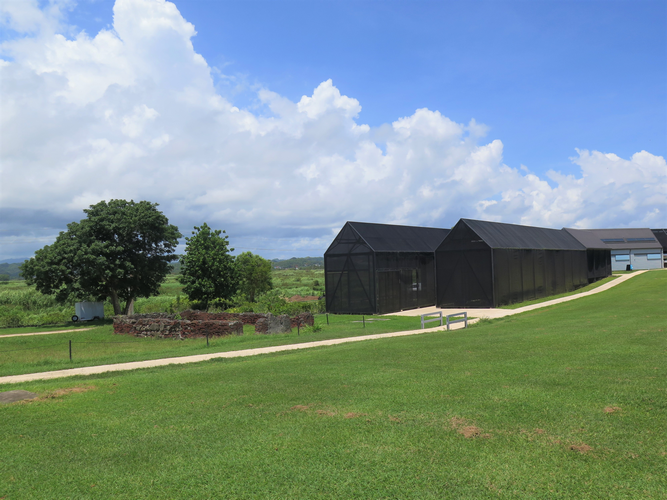
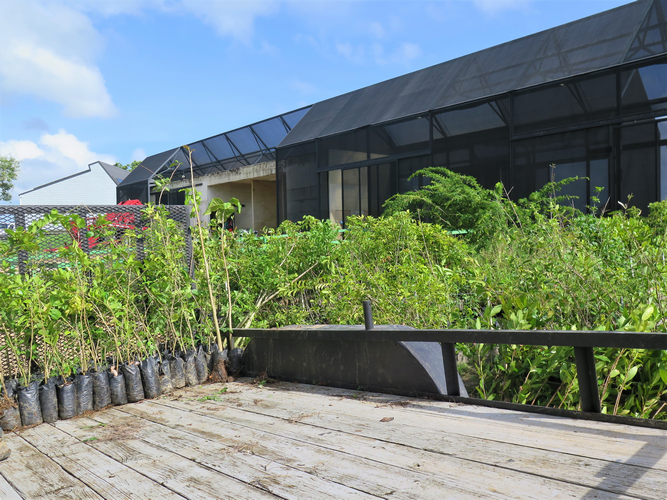
We arrived early in the morning at Hacienda La Esperanza, located in Municipality of Manatí, Puerto Rico, where Zaimarie Carrillo and Mariana Burgos, who both work for Para La Naturaleza, welcomed us into the tree nursery in the premises, home of abundant endemic and native tree species to Puerto Rico. Two shade houses sheltered ausubo and sabal palm seedlings, and tree plants, such as locust (“algarrobo” in Spanish), ausubo, cashew (“pajuil” in Spanish), cacao, sabal palm, ceiba and guara.
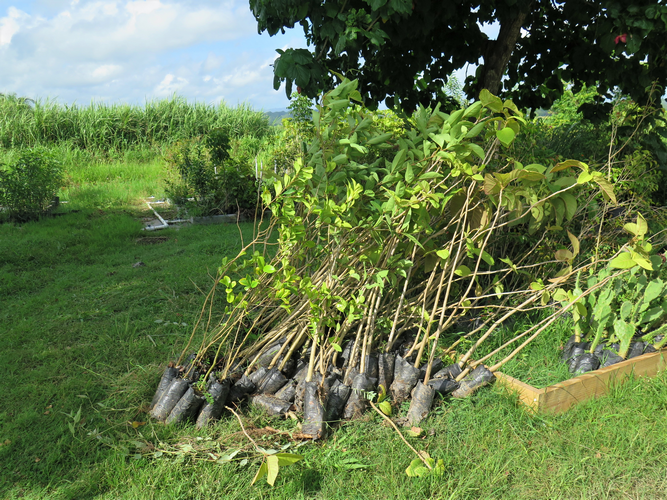
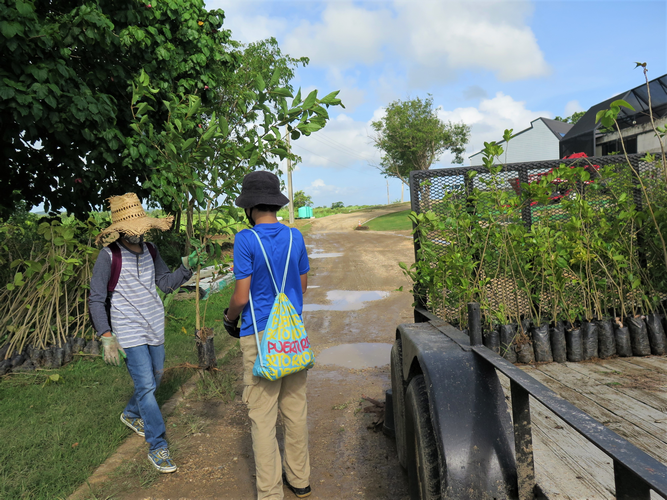
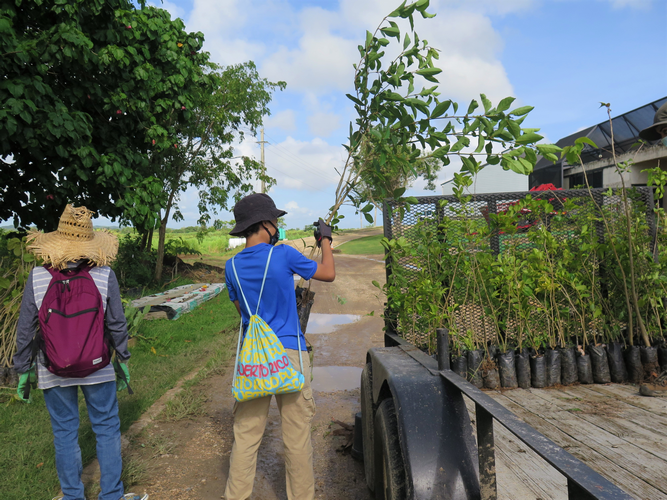
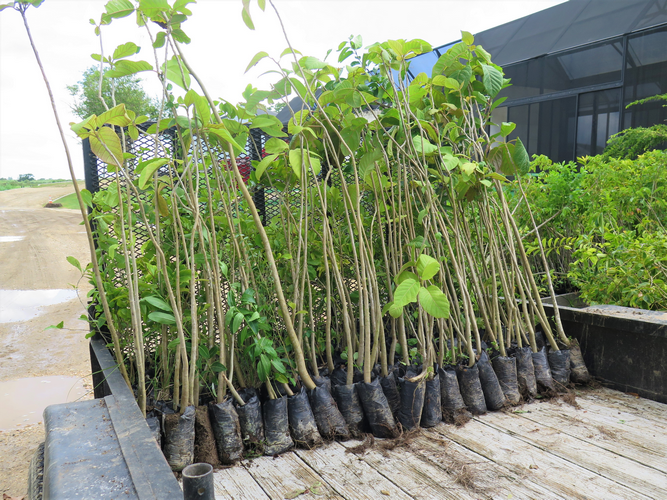
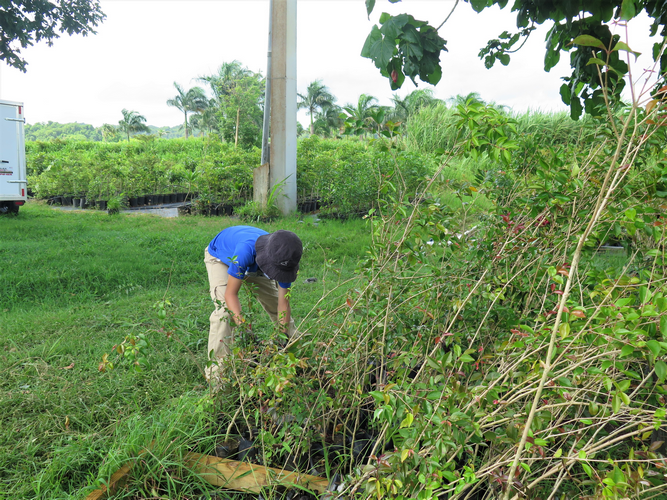
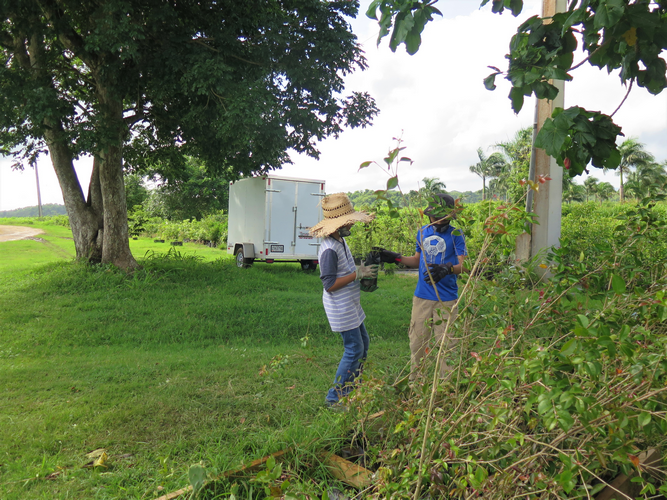
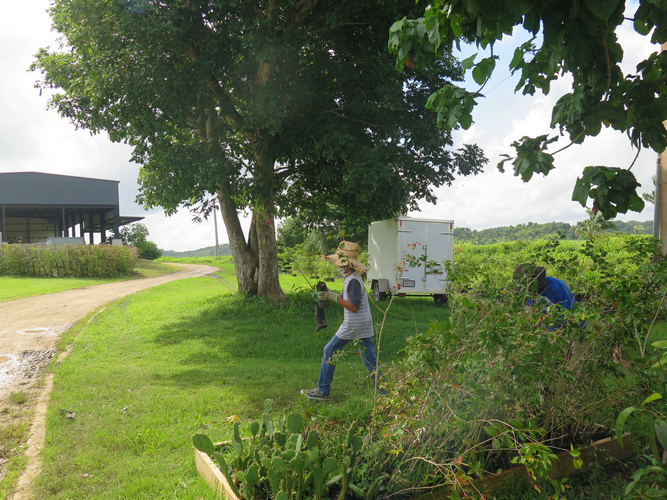
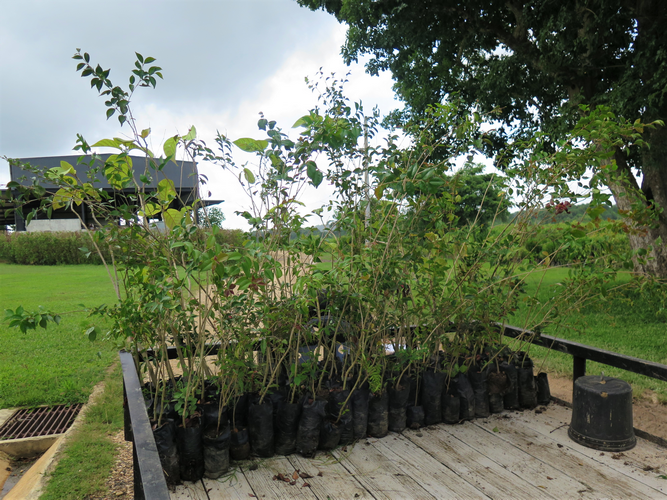
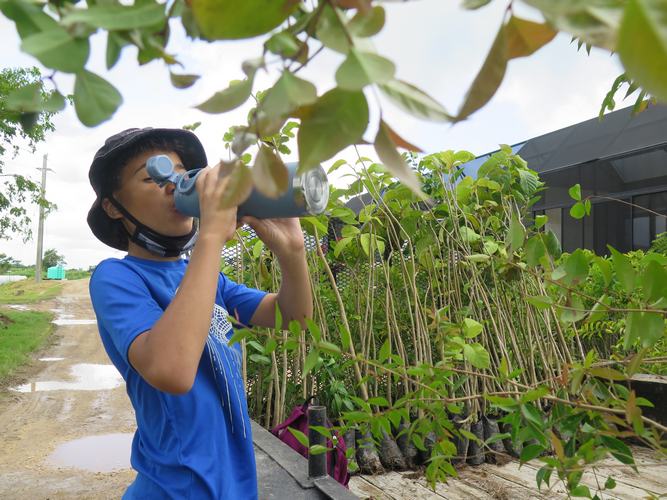
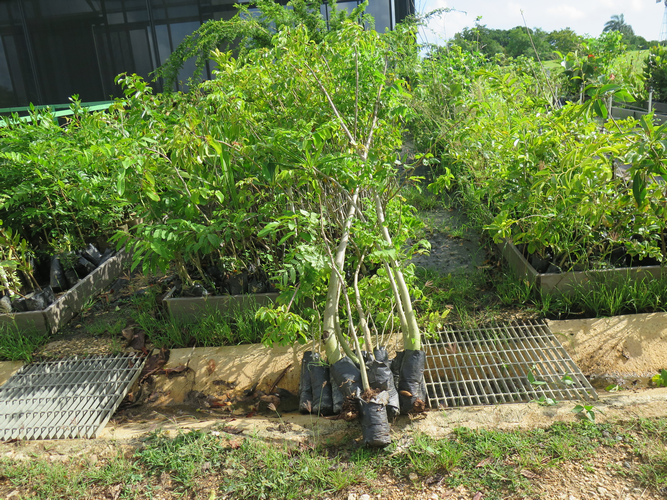
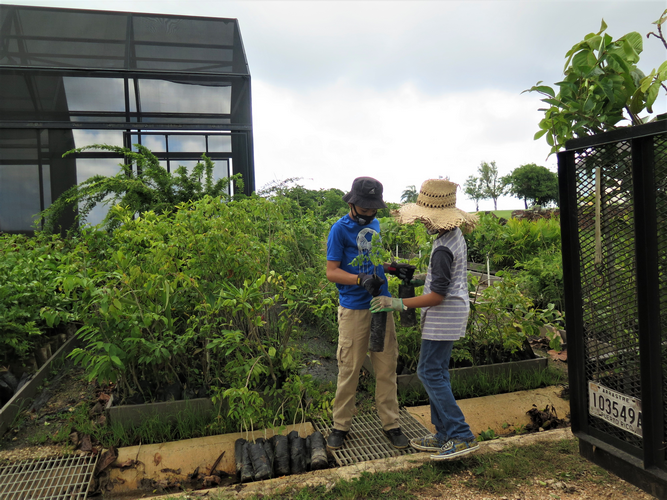
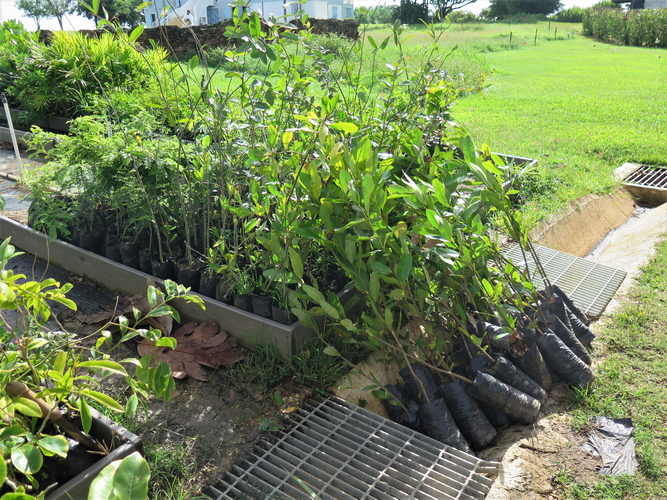
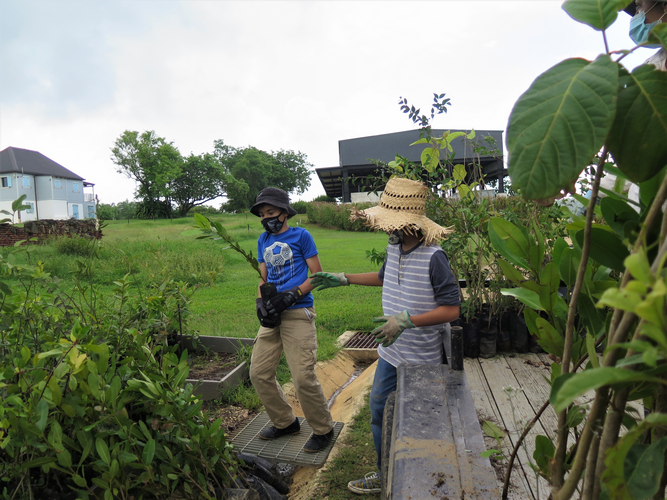
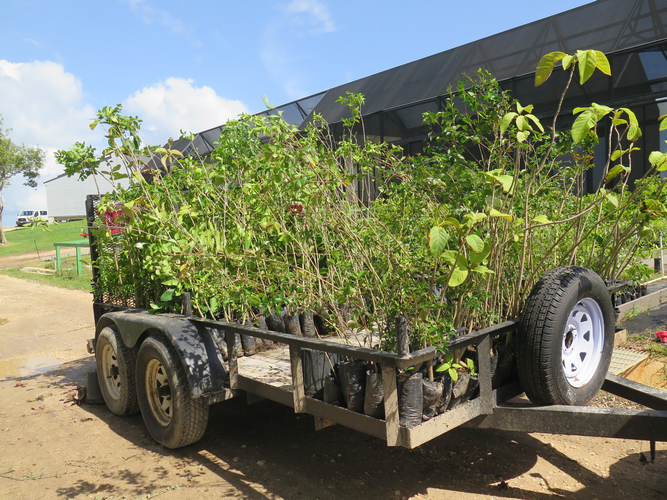
The volunteer group, consisting of two teenagers and me, put on the gloves and stepped outside the shade houses where we would all start doing the chores. A multitude of tree plants undergoing more advanced growth stages rested next to the shade houses. For purposes of our first task, Zaimarie identified tree plants that needed to be put on a farm cart. Some tree plants were already in the cart (maybe around 40), but they needed our support so that a total of 500 selected plants were on the cart. Those trees would eventually be planted in another natural area owned and managed by Para La Naturaleza.
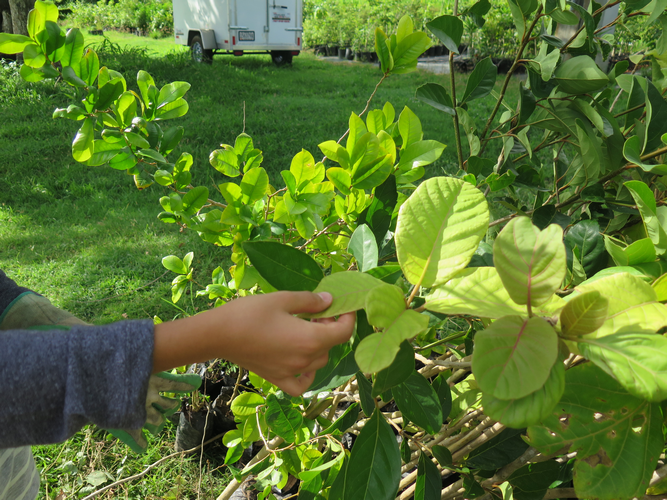
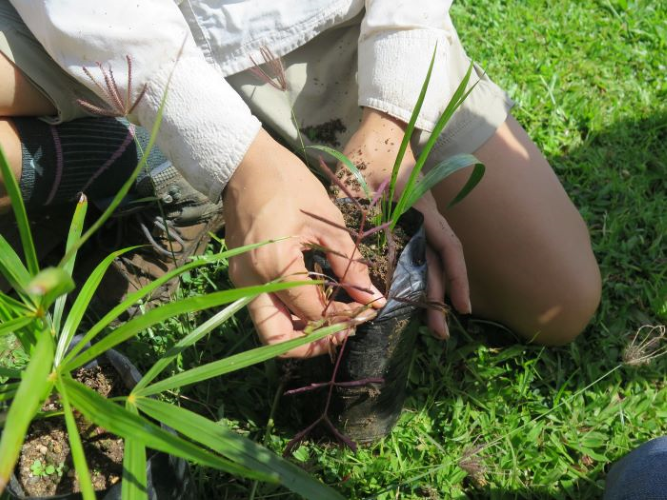
So we rolled up our sleeves and began our work while gaining knowledge about the names of the flora that were going to be transported to a new home. Zaimarie was in the farm cart ready to receive and welcome the new tree passengers. Matabuey (Goetzea elegans), an endemic flora species to Puerto Rico, and Pisonia small trees were the first to be moved into the cart. The Pisonia leaf caught our attention due to its fabric-like texture. After the teenagers engaged for the first time in this type of task, they helped count 100 Eugenia biflora tree plants while moving them little by little into the transport. It was satisfying to see how both youngsters worked as a team and intuitively counted the trees by pairs and even numbers to avoid mistakes. Then we reached the cedar (Cedrela odorata) and María (Calophyllum calaba) small trees that have been waiting their turn to step into the farm cart. Afterwards, we walked towards another area in the outer nursery to get white manjack tree plants (“moral” in Spanish)(Cordia sulcata) and spicate fiddlewood (“Péndula” in Spanish) (Citharexylum spinosum) and aided them meet the other travelers in the cart. Finally, we assisted the tallest small trees, black mampoo (“corcho” in Spanish)(Guapira fragans), so these could join others in the cart.
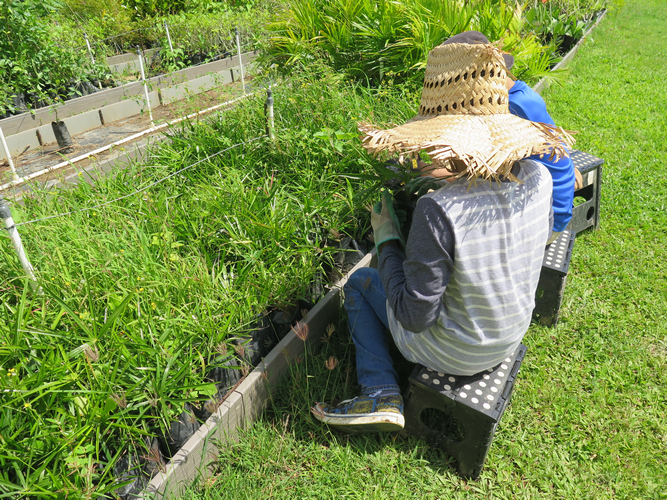
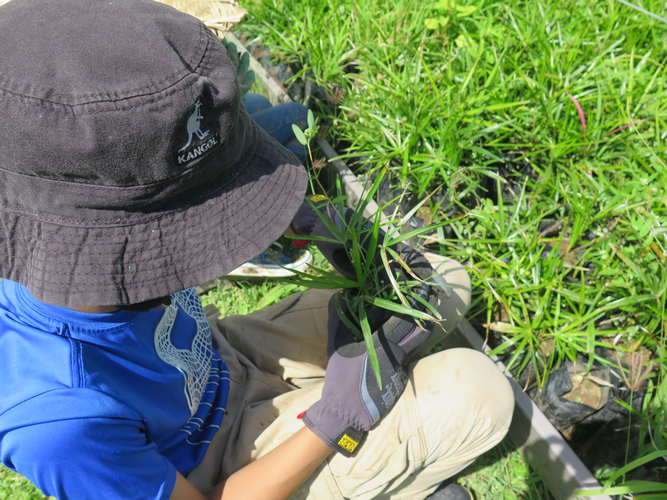
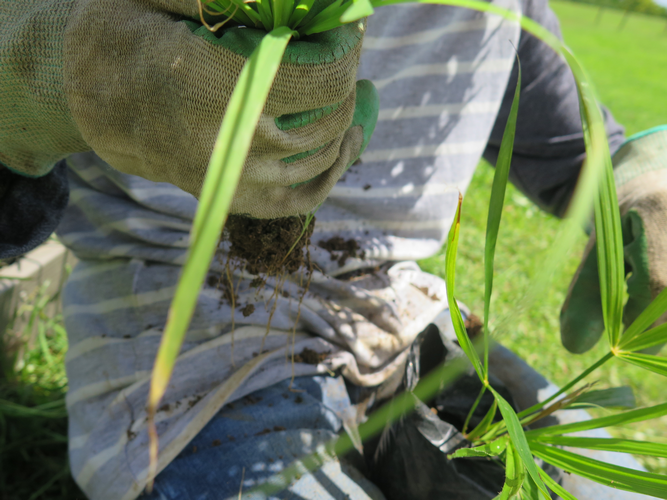
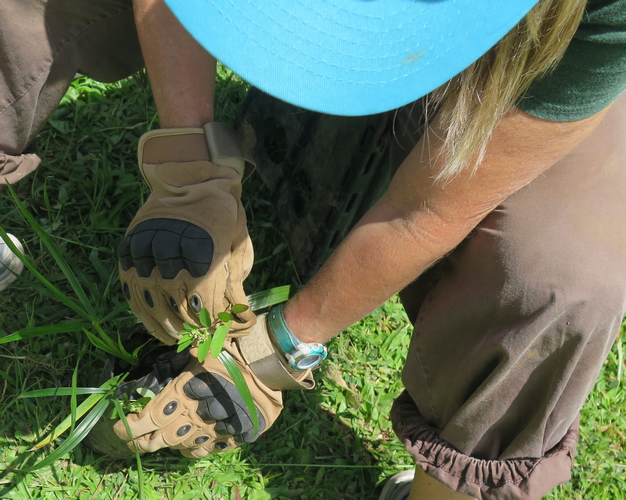
Following a snack time, we engaged in our second chore: weeding fan palms (Coccothrinax barbadensis) still on their nursery stage. Zaimarie taught us how to distinguish the fan palm and showed how to remove weeds grown near it. So we all sat down and slowly started weeding. This task required concentration, and thus, relaxed us. It was pleasing to watch the teenagers calmly weeding―a twist from their daily routine.
We know that Lorenzo and Salvador, the volunteer-teens, will never forget the day when they did their bit to take care of and help tree plants in Hacienda La Esperanza. Lorenzo recognized that he was happier doing these nursery maintenance tasks than his daily routine. He added that this experience made him “realize that planting and taking care of trees is good for nature” and that the trees will be transported to and planted in another place so that they provide fruits to animals and for other reasons (as Zaimarie had explained). With respect to the work done, Salvador said: “It was very cool and it felt as if we were saving natural sites and plants, and giving these a better place.” (translation ours).
Engaging in this experience was rewarding as we not only supported the nursery and Para La Naturaleza, but also felt fulfilled as we witnessed scenes that may positively influence these teenagers during the next years of their lives.
Para La Naturaleza’s tree nursery maintenance activities are held on specific dates in Hacienda La Esperanza and other nursery areas. Participation in these events is subject to prior reservation. For more information, you may check the organization’s website, https://www.paralanaturaleza.org, and contact Para La Naturaleza at 787-722-5882 or 787-722-5834.





comments